
Preservation in Progress
-
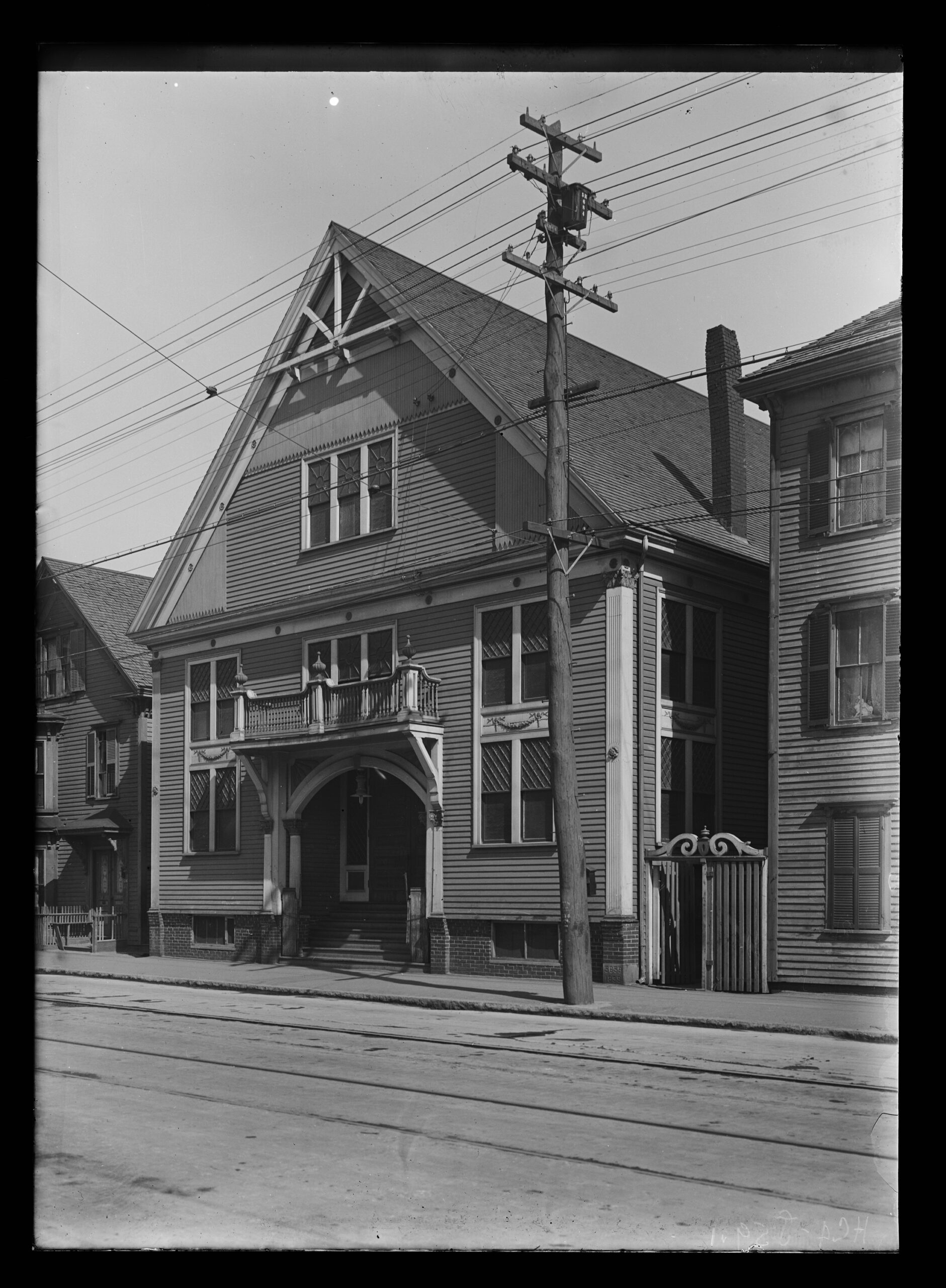
Storefront Sanctuaries: Jewish Communities in Industrial-Era Haverhill
In 1895, Haverhill, Massachusetts was at the peak of its industrial power, turning out thousands of shoes each day from its many factories. It was to great dismay of factory owners that, in February of that year, workers across the city engaged in a massive strike, stopping shoe production and crippling local infrastructure. Over 3,500…
-
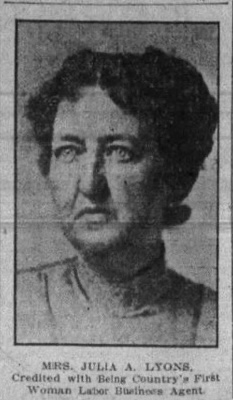
Stitching Resistance: Julia Lyons and the Fight for Women Workers
At the height of the industrial era, Massachusetts’s booming shoe factories were simultaneously engines of progress and sites of deep inequality. Amid the noise of machinery, women workers began to organize and demand change. In the winter of 1913, Haverhill was in the thick of decades of labor struggles. Although the city’s shoe industry was…
-
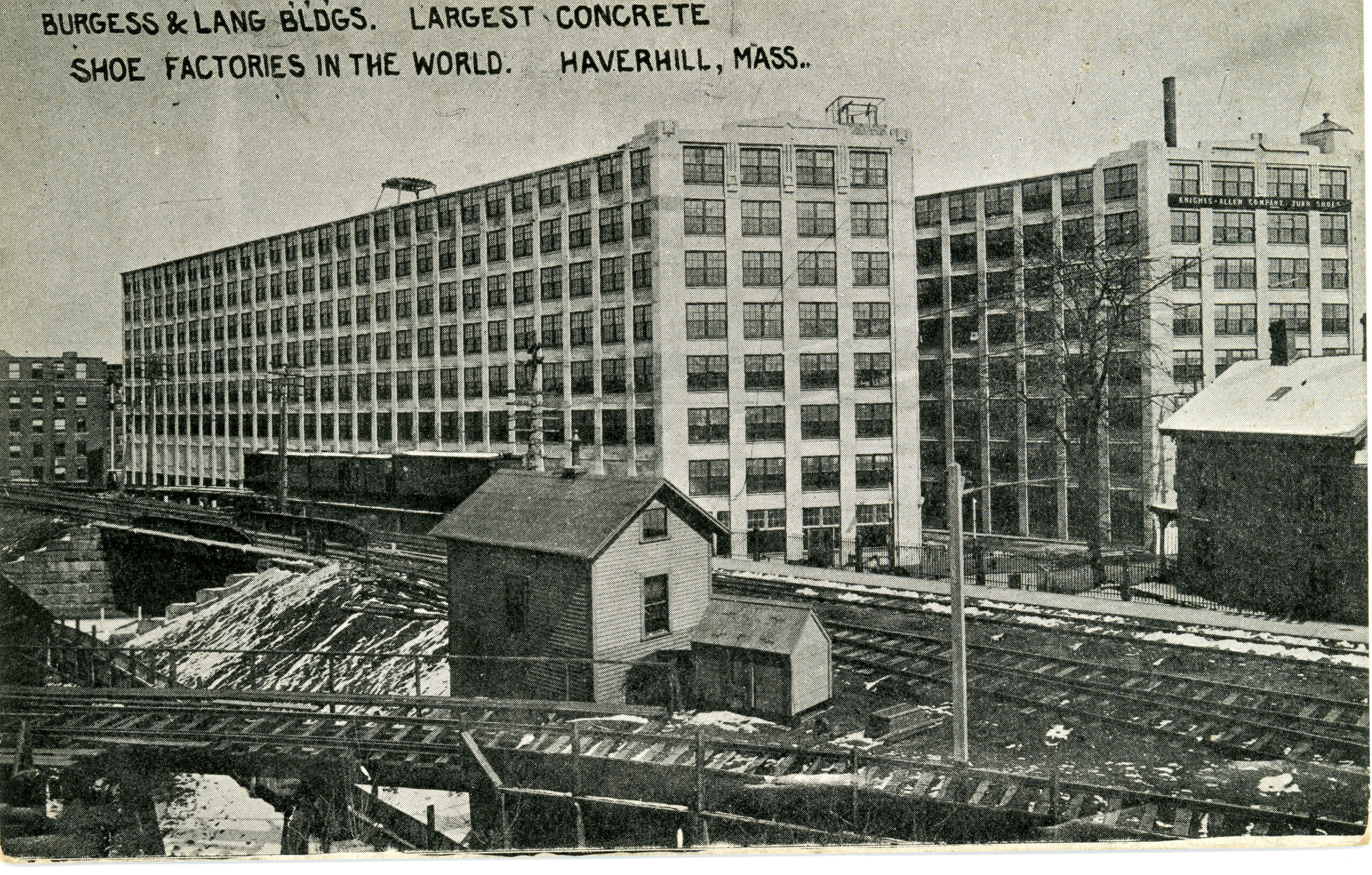
Italians and the Making of Modern Haverhill
The buildings that currently house Historic New England’s off-site collections, at 143 and 151 Essex Street in Haverhill, Massachusetts, were landmarks of industrial design when they were built at the beginning of the twentieth century. The construction of these buildings relied heavily on the labor of Italian immigrants. Approximately three million people came from Italy…
-

Kittie Knox: Nineteenth-Century Cyclist and Barrier Breaker
Never was Boston’s “The Hub” moniker more apt than during the last two decades of the nineteenth century, when the city went wild for cycling. Initially a leisure activity enjoyed by upper-class white Protestant men, cycling quickly took off among people of all classes, backgrounds, and races. One of these cyclists was Katherine Towles “Kittie”…
-
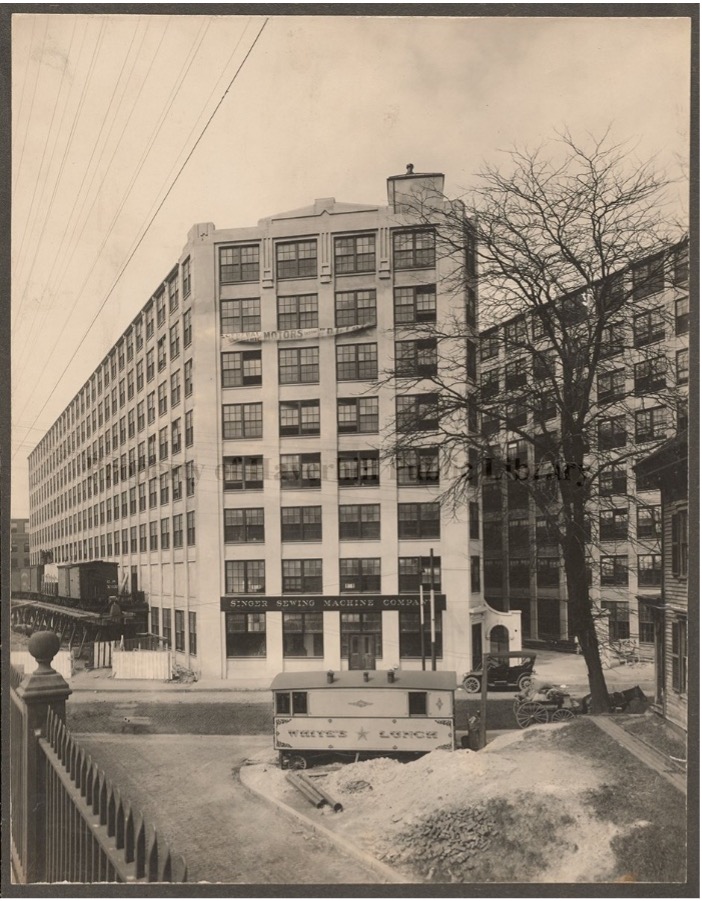
George Washington White: Feeding the Workers
In the early twentieth century, industrial workers in Haverhill, Massachusetts, had small amounts of extra leisure and money for the first time. This created new opportunities for the city’s restaurant industry, which responded to the growing spending power of the middle class by creating dining options for workers and tradespeople who had only short breaks…
-
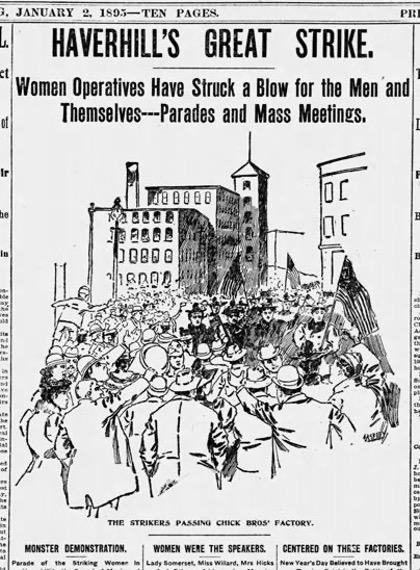
The People’s City: Haverhill’s Socialist Experiment
The 1890s were turbulent years in New England—and Haverhill, Massachusetts, was no exception. Following the financial panic of 1893, the “Queen Slipper City” quickly felt the effects of the national economic decline. At that time, Haverhill’s booming factories produced ten percent of the country’s shoes, employing a workforce of over 11,000 men and women engaged…