Haverhill, known as the Queen Slipper City, once produced tens of millions of pairs of shoes a year. An important part of the shoe industry both regionally and nationally, Haverhill’s history is intrinsically linked to footwear. This section focuses on these stories—past, present, and future.
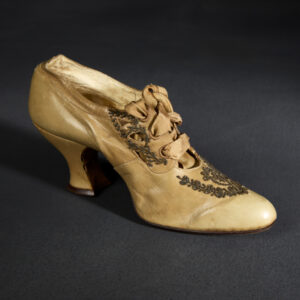
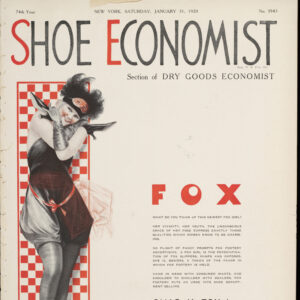
Some cities like Manchester, New Hampshire, were known for the wide variety of shoes they produced, while other shoe-making towns carved out their place in the market by specializing in a particular type of footwear. Brockton, Massachusetts, became known for men’s brogues. Auburn, Maine, was known for white canvas shoes. Haverhill, once a center for general shoe production, began to specialize in women’s novelty footwear after the end of the US Civil War in 1865. Novelty shoes were made with unique materials, adorned with ornate embellishments, featured distinctive styles, or incorporated complicated construction methods. Because these shoes were special and required extra work, their production relied on skilled workers who were paid higher wages.
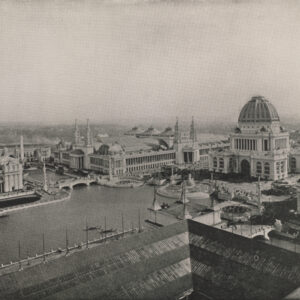
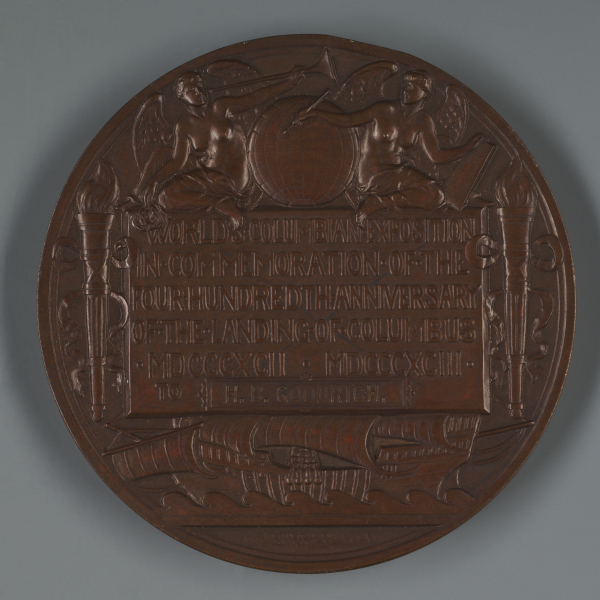
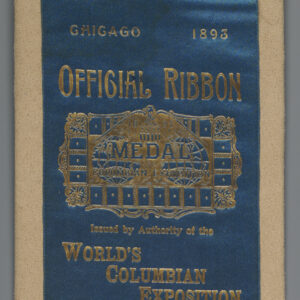
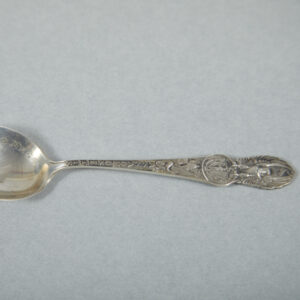
By the end of the nineteenth century, Haverhill was home to nationally recognized manufacturers and name brands. Many of these companies, including Woodman & Howes and Charles K. Fox, displayed their wares and won awards at the 1893 World’s Fair in Chicago, Illinois, which saw over twenty-seven million visitors in six months. Other companies, well-known within the industry but not to the public, garnered fanfare as well, further cementing Haverhill as one of the most important shoe cities in New England.
By 1917, the Chamber of Commerce recorded more than four hundred establishments in the city related to making footwear, shoe parts, accessories, and packaging, as well as brokers, wholesalers, and retailers. Together, these businesses employed more than fifteen thousand workers. Many of the workers were immigrants from Italy, Ireland, the Ottoman Empire (modern-day Türkiye), Russia, Poland, Ukraine, Lithuania, and other Eastern European nations.
The city’s moniker, “Queen Slipper City,” remained until the second half of the twentieth century, when changes in manufacturing and the rise of international competition took their toll on the US footwear industry. By the early 1970s, fewer than ten shoe manufacturers operated out of Haverhill, employing only a few hundred workers. Warren Weitzman of Mr. Seymour Shoes, one of the last shoemakers left at this time, summed up the difficulties the city faced, telling The New York Times, “It’s become a ghost town—I’ve got nobody to talk to anymore.”
Now, more than fifty years later, Haverhill and its fellow former shoe cities, once seen as “dying,” are embracing their past and using that history to chart a positive, vibrant, and diverse future.
Hotspot Feature: From Washington Street to the World’s Fair
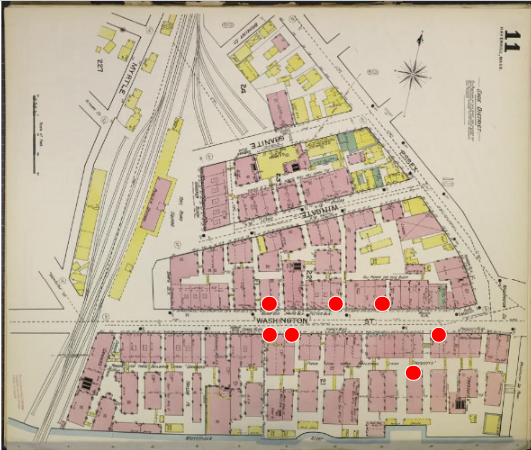
Seven different Haverhill shoemakers brought their wares all the way to Chicago in 1893 to exhibit them at the World’s Columbian Exposition, also known as the World’s Fair. Their offices and factories were on Washington Street, named the “Shoe District” in this 1893 Sanborn fire insurance map showing downtown Haverhill. Click on the map below to learn more about these shoemakers and their Haverhill buildings.
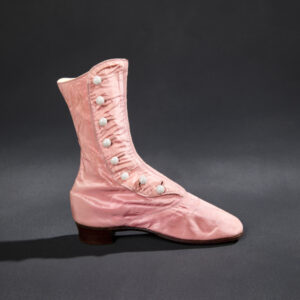
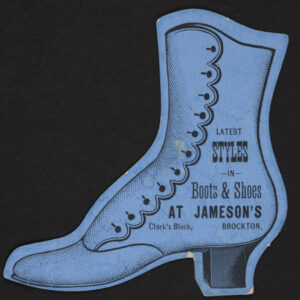
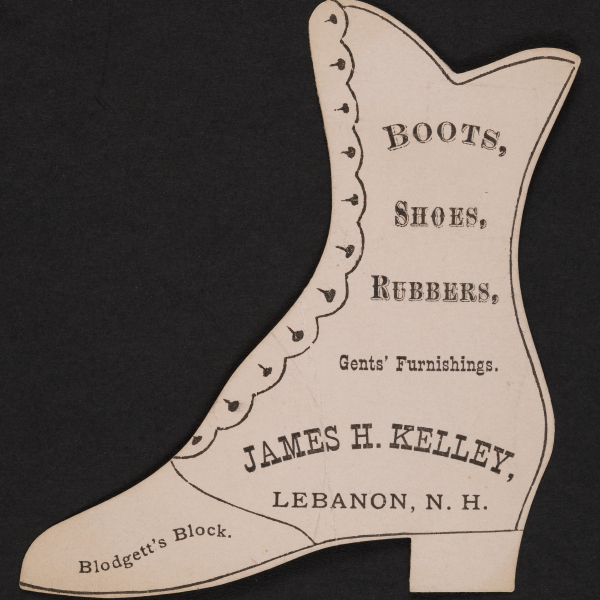
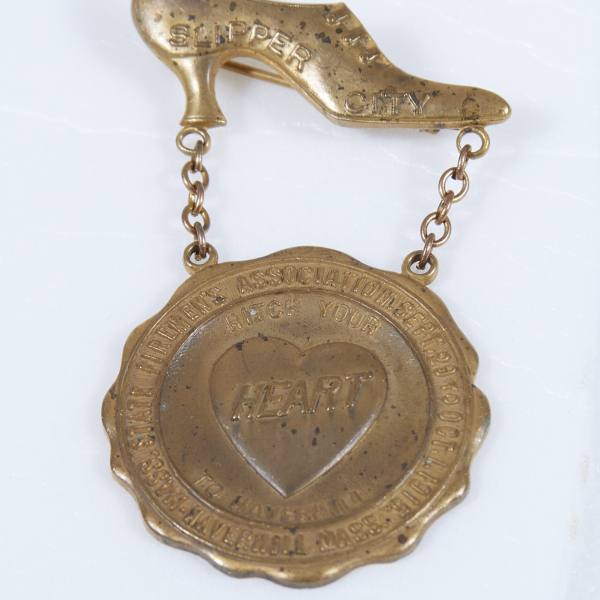
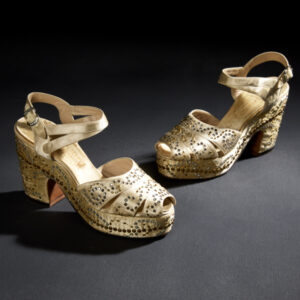
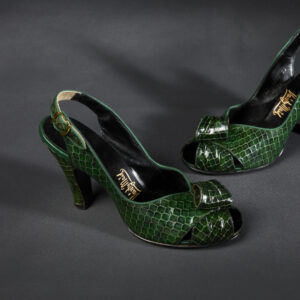
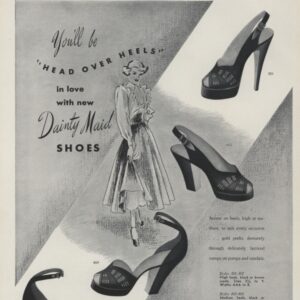
Gallery of Haverhill Objects
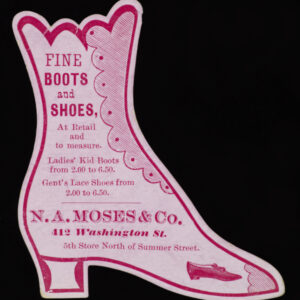
Archives Feature: Book of Secrets
“All information contained herein, except the obviously common practices, must be treated as strictly confidential matter between the USMC and the respective shoe manufacturers.”
H. E. Booma,
Research Division
Boston Office
United Shoe Manufacturing Company
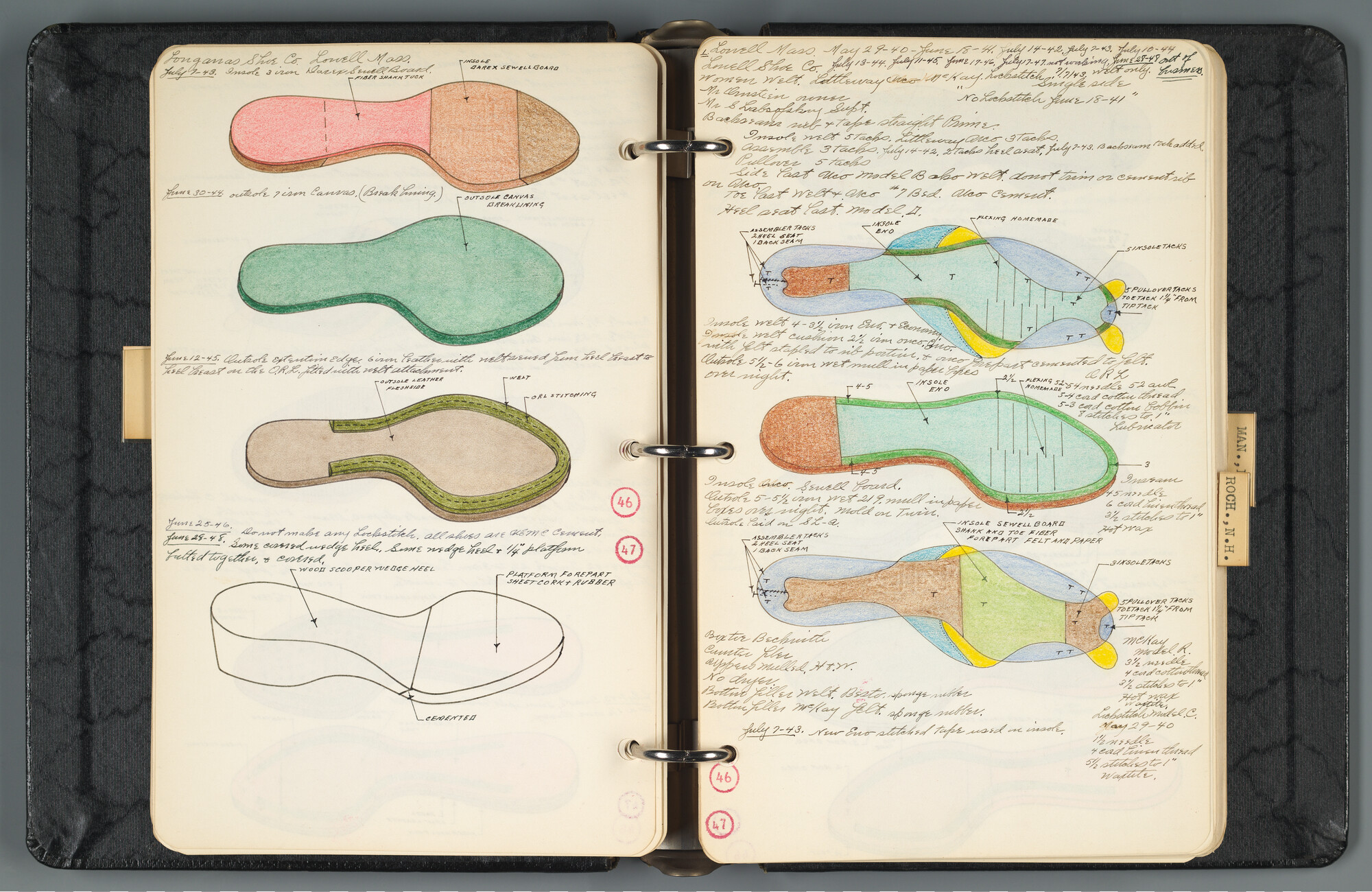
On loan from Buttonwoods Museum in Haverhill, Massachusetts, this so-called “Book of Secrets” from the 1960s comes from the research division of the United Shoe Manufacturing Company (USMC). The USMC was the largest producer of industrial machinery for the creation of shoes in the United States. It was founded in 1899 when three of the largest shoe machinery firms merged: Goodyear Shoe Machinery Company, Consolidated McKay Lasting Machine Company, and the McKay Shoe Machinery Company. The new company’s headquarters were in Beverly, Massachusetts, but there were branches of USMC throughout New England—including on the first floor of Historic New England’s Burgess building where Shoe Stories is on exhibition (June 27, 2026-June 2027).
The USMC specialized in offering the newest technologies within the footwear industry. They held the patents for upwards of 70% of the patents for shoe-manufacturing machines—including Jan E. Matzeliger’s automatic lasting machine. This book offers advice on machinery, new techniques and materials for making shoes, as well as suggestions on how to set up workrooms and factories for the highest level of efficiency. From detailed descriptions to colorful technical renderings, this book is an important and visually intriguing archival document which you can take a peek into below.
Flip through a sampling of pages from the USMC’s “Book of Secrets” for companies in Lowell, Massachusetts, Manchester, New Hampshire, and Rochester, New Hampshire in the mid-twentieth century.
Mapping Haverhill
This timeline maps Historic New England’s two historic shoe factory buildings on Essex Street through time. Select a date to see downtown Haverhill in different eras!
1831
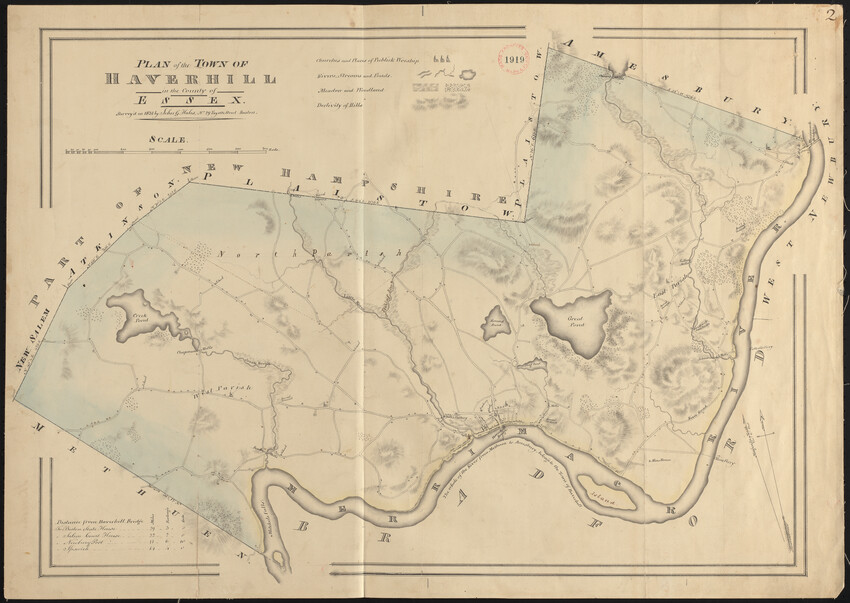
This early 1831 topographic map of Haverhill shows just how many hills are scattered around the town. The Merrimack River serves as the southern border of the town at this point. Note how few houses and streets are included on this map. The shoe factory buildings that will later house the Historic New England Center do not exist yet.
1851
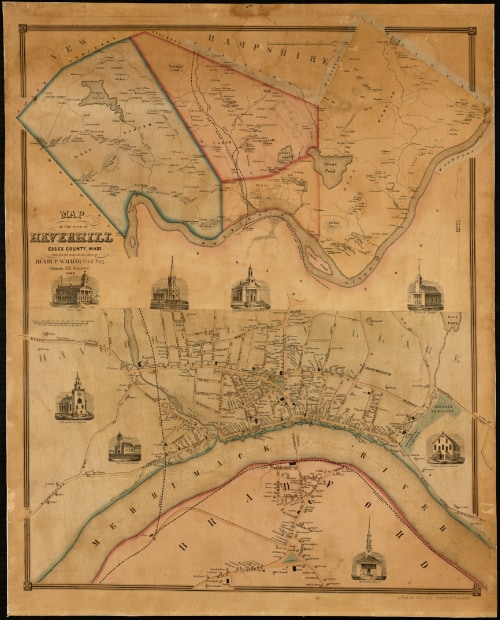
Downtown Haverhill has begun to grow in earnest by the 1850s. The zoomed-in map of downtown visible in the bottom half of this image includes a passenger station and freight depot in what is now Railroad Square. Essex Street has several scattered buildings where the Historic New England Center is now, including property of M. Swasey and W. Smith.
1871
By 1871, Haverhill has grown to include many neighborhoods and is separated into wards (as indicated by the colorful sections of this map). There are two different railroad lines in Haverhill: the north-south Boston and Main Railroad that now operates as the commuter rail, and the east-west Newburyport Railroad on the south side of the river that has become the Bradford Rail Trail.
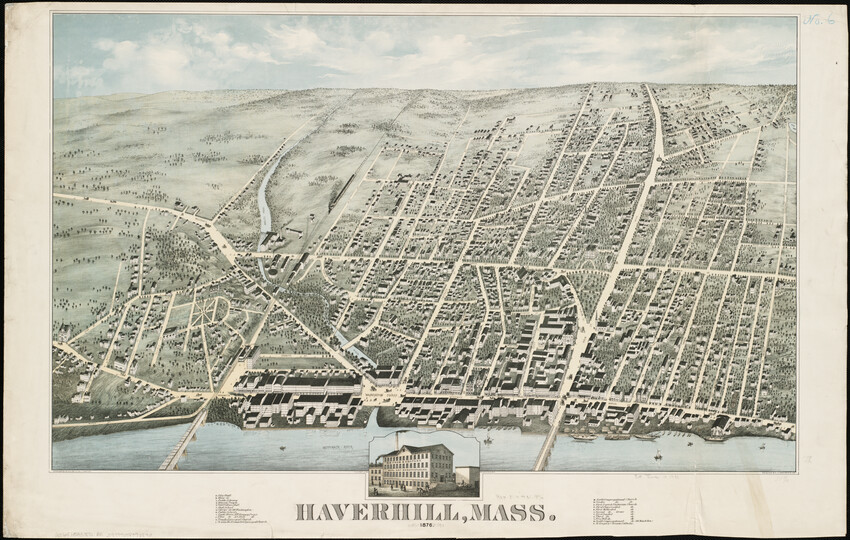
1876
This bird’s-eye view of Haverhill was made before satellites and airplanes. This is an artist’s rendering based on their observations from the ground, with some three-dimensional elements such as buildings and bridges. Essex Street still roughly parallels the Little River in a diagonal line up from Washington Square.
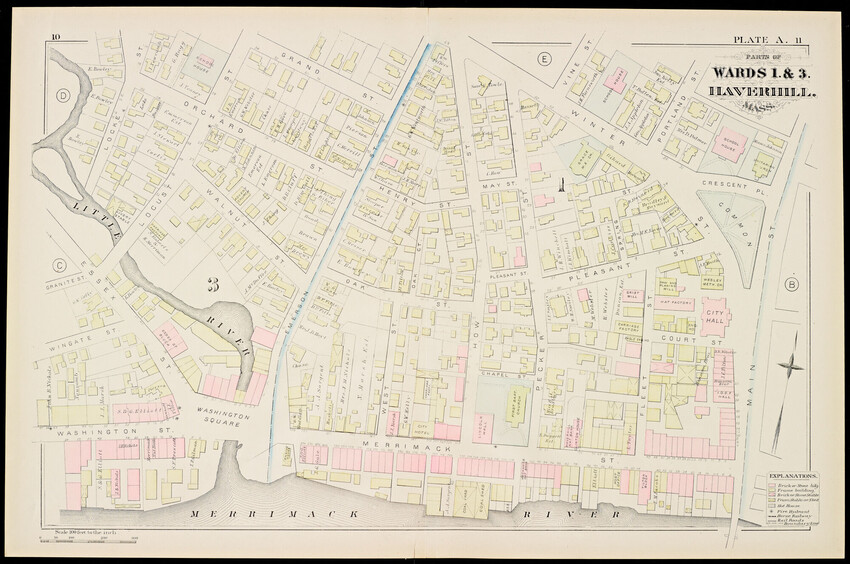
1881
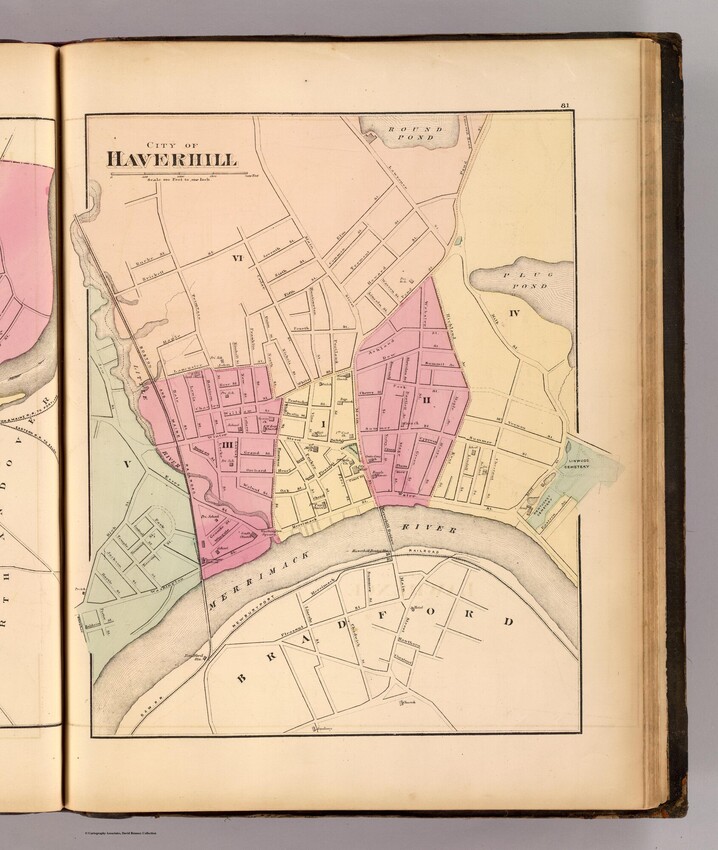
This detail plate from a larger atlas of Haverhill zooms in on what downtown looked like in 1881. The pink buildings are constructed from brick, while the yellow buildings are constructed from wood. Many of these buildings in the downtown area were destroyed in the fire of 1882, and quickly rebuilt. The Merrimack River protrudes into Washington Square.
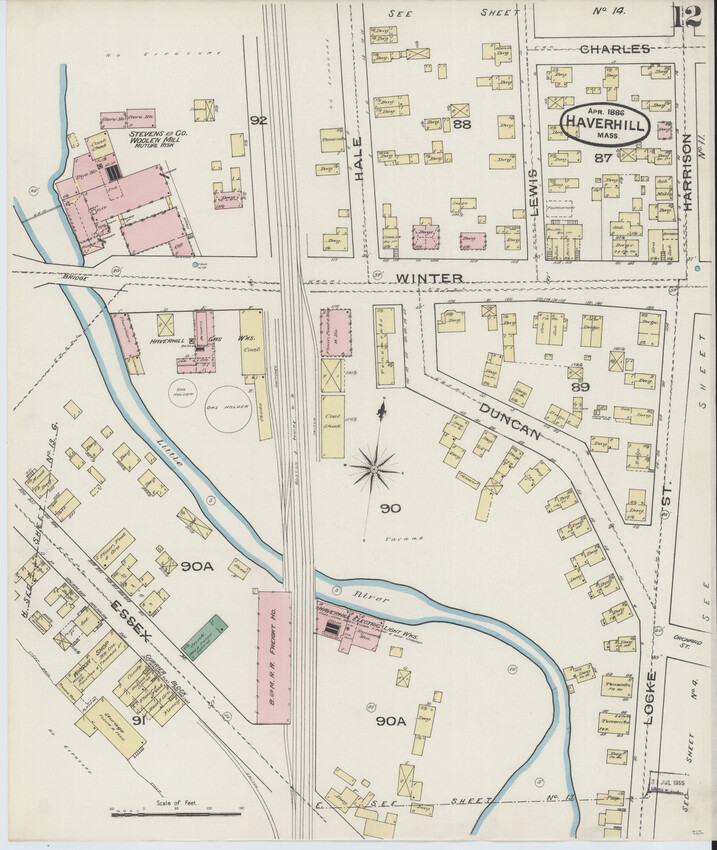
1886
This detail of the area around what is now the Historic New England Center shows the smaller wooden buildings in place in the 1880s. The relatively empty area at the bottom right of the map will later become the Historic New England Center.
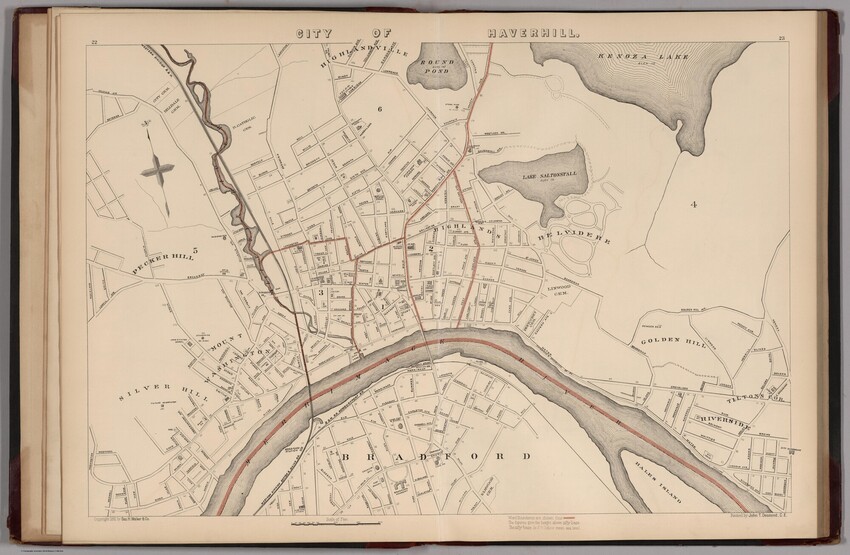
1891
Essex Street, Granite Street, Wingate Street, and Washington Street all remain in use today. By 1891, Washington Square had been partially filled in and is labeled “City Land.”
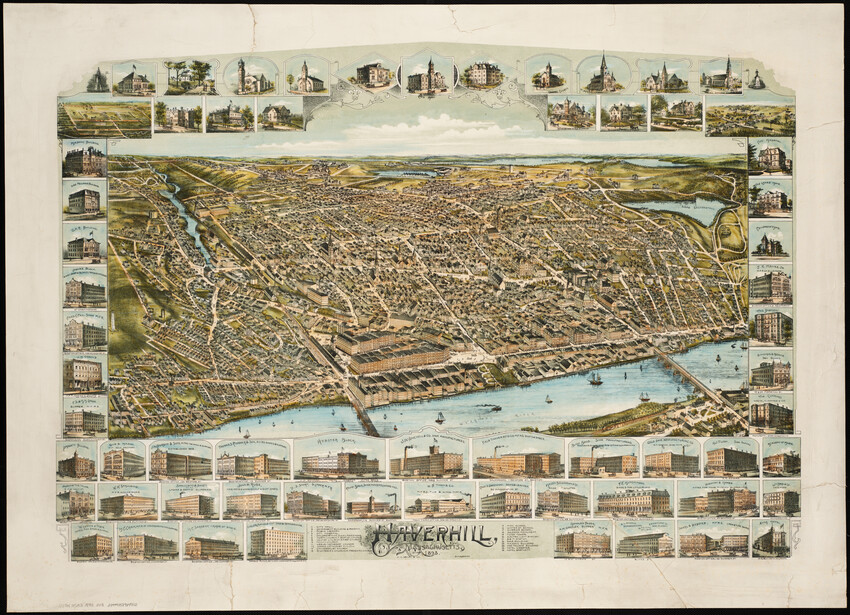
1893
By 1893, Haverhill was a thriving, busy factory town. The many points of interest and factory buildings bordering this bird’s-eye view show how intertwined the shoe industry was with Haverhill, “The Largest Boot and Shoe Town of the World.”
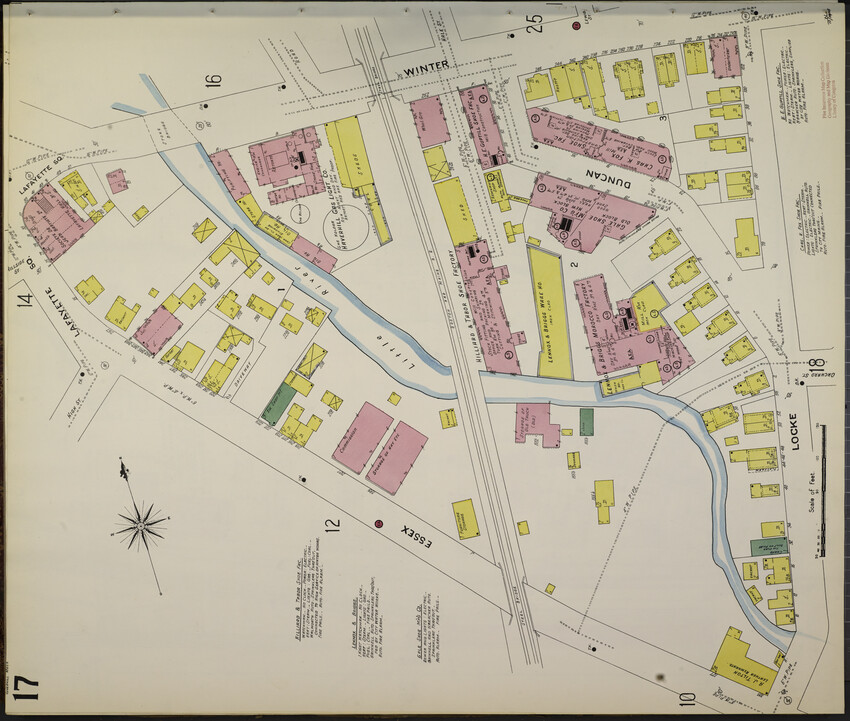
1906
This fire insurance map is from 1906, just a few years before the shoe factories that are now the Historic New England Center were built. Several of the brick buildings visible up by Winter Street are shoe factories, including Chas. K. Fox Shoe Factory (which manufactured one of the shoes on view in Shoe Stories).
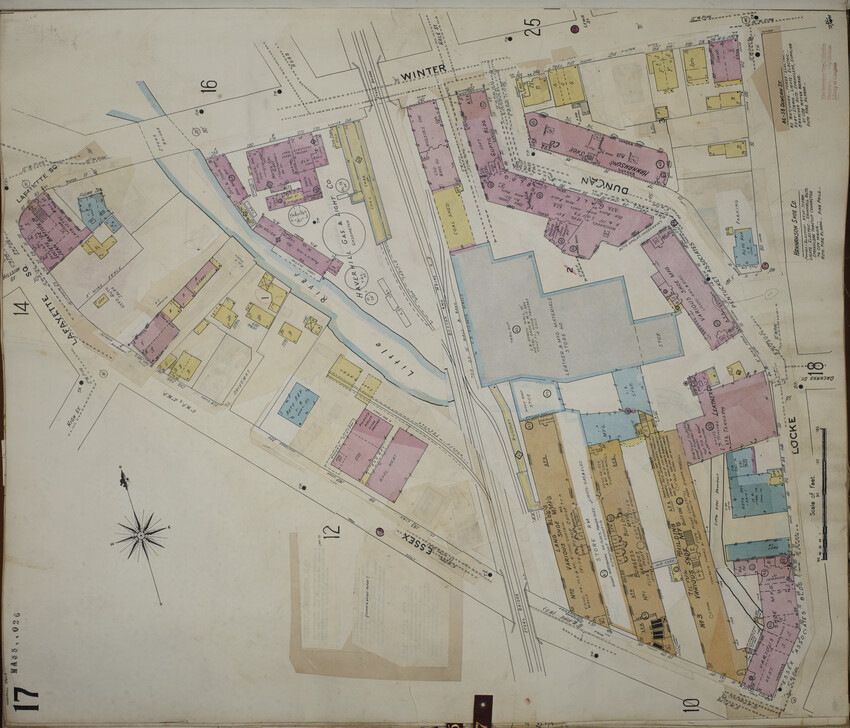
1949
The two buildings that make up the Historic New England Center were designed by Haverhill architect Charles Willis Damon and were built between 1911 and 1912 out of “fireproof” concrete. This fire insurance map from 1949 shows “various shoe manufacturers” as the occupants, as well as a railroad siding leading directly to the side of the westmost building for easy delivery and pickup.
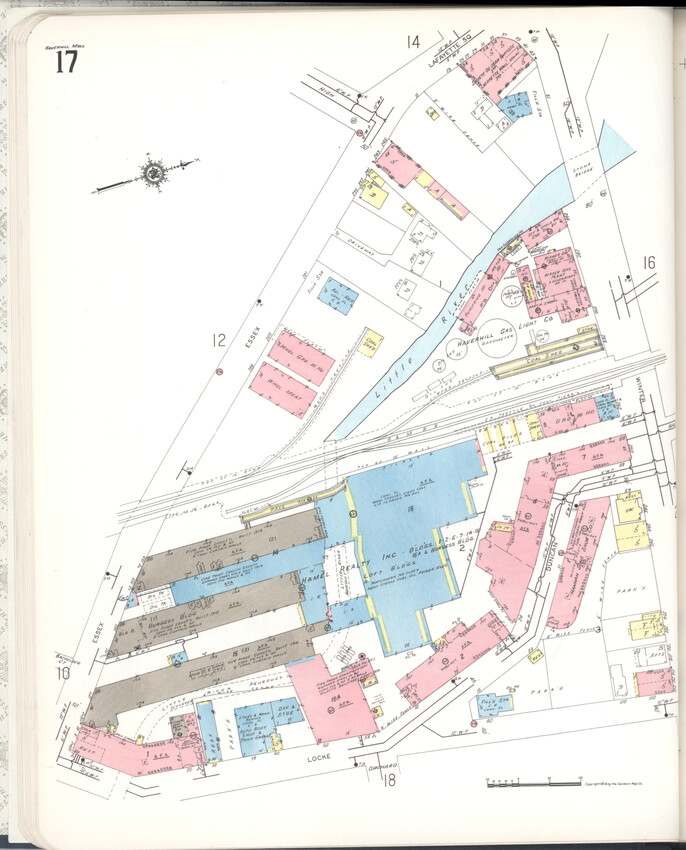
1954
This 1954 fire insurance map shows the “Burgess Bldg” at the center of the three parallel buildings on Essex Street. This building has been renovated and restored and now holds the Historic New England Center, including the Shoe Stories exhibition. As you explore Haverhill, whether in-person after visiting the Historic New England Center or online via a mapping app, take a look and see how many factory buildings have been repurposed around the city.
At the Historic New England Center in Haverhill, Massachusetts, we are gathered on the homelands of the Pennacook, an Algonquian-speaking confederacy whose homelands stretch across much of what is now New Hampshire, northeastern Massachusetts, and parts of southern Maine. The Pentucket people occupied the lands that now form Haverhill and the waters of the Merrimack River through at least the seventeenth century, and despite the displacement and dispossession of Indigenous peoples, their descendants continue to live and thrive in New England.
Conservation Feature: Shoes from the 1893 World’s Fair
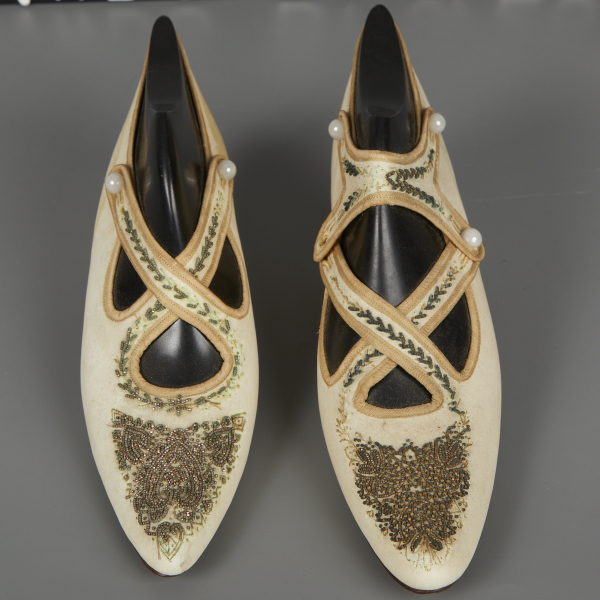
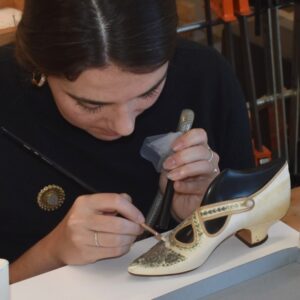
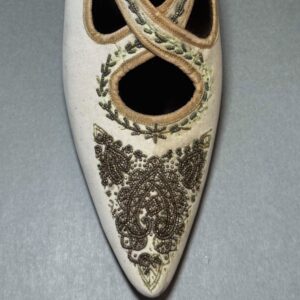
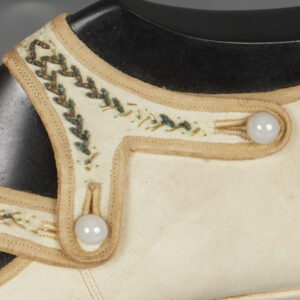
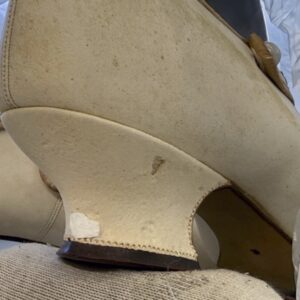
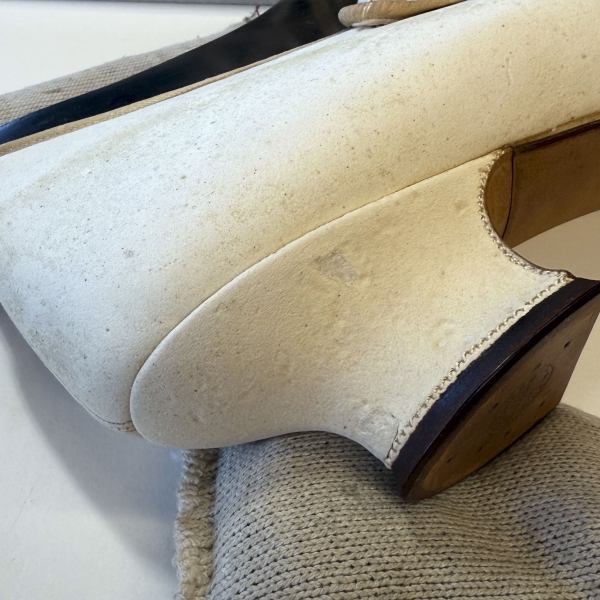
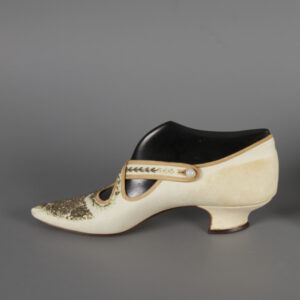
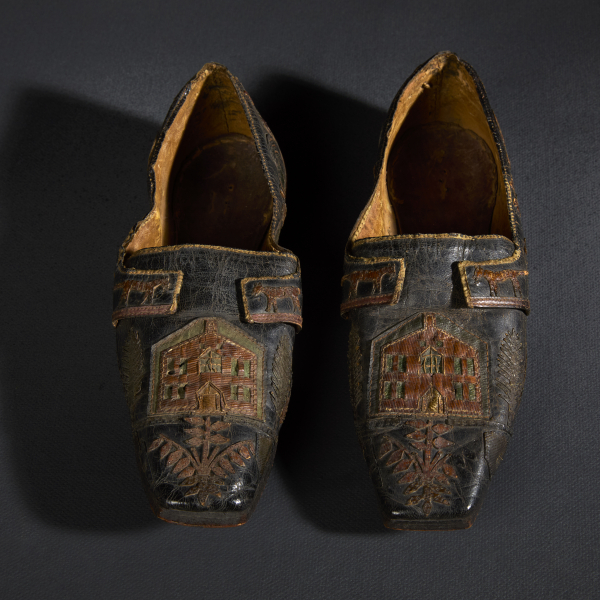
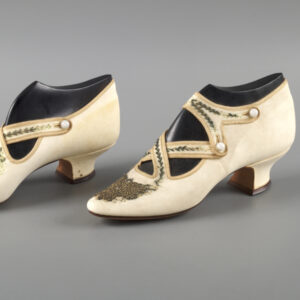
The conservation team at Historic New England have become very familiar with the various challenges and rewards of working with shoes made of many different materials. These shoes, designed here in Haverhill for the 1893 World’s Columbian Exposition in Chicago and on loan from the Buttonwoods Museum, presented a unique challenge. Click through the images below to learn more.