
As one of the first industries in the region, shoes have been integral to the growth and history of New England for more than nearly four hundred years. Though what is made and how it is made has changed over the centuries, footwear design and production of handcrafted and specialized footwear are still thriving in the region. This section explores this history.
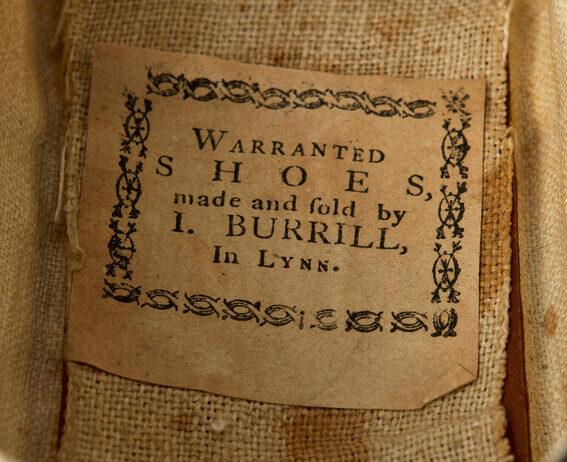
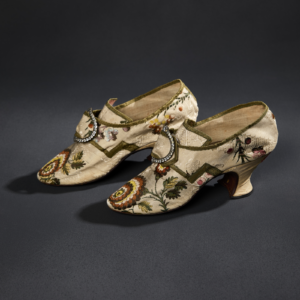
Shoe production began in New England in the seventeenth century, although most shoes were still imported from Great Britain and France. In the eighteenth century, fine shoes were made of silks and leather and adorned with sparkling buckles. However, most New Englanders wore simple boots and slippers made from leather tanned in the colonies. This early everyday footwear was made by shoemakers, known as cordwainers, either in their homes or in backyard workshops called “ten-footers” because the buildings often measured 10 x 10 feet.
By the early nineteenth century, the shoe making industry transitioned from small shops and individual makers to factories. The Industrial Revolution brought new machinery powered by steam, allowing for unprecedented mass production. At the same time, previously independent makers merged into larger, more efficient, and economical companies. By 1900, footwear production was one of the largest industries in New England and across the United States.
In 1923, more than 350 million pairs of shoes were produced in the United States, with one-third of those coming from Massachusetts, New Hampshire, and Maine. After World War Two, the country saw a major shift in footwear production. The once-bustling factories located throughout New England began to close and move overseas. As trade unions declined, younger generations pursued jobs in other industries.
The need for quantity, combined with a sped-up fashion cycle, completely restructured shoe production. By the 1970s, the hundreds of shoe factories and related businesses throughout New England dwindled to a handful.
The shoes worn today are rarely made in the United States, instead produced in giant industrial facilities in China, Vietnam, and Brazil, among other countries. However, design continues to happen in the United States and companies creating handcrafted and specialized footwear are still thriving in New England.
Mapping Industry
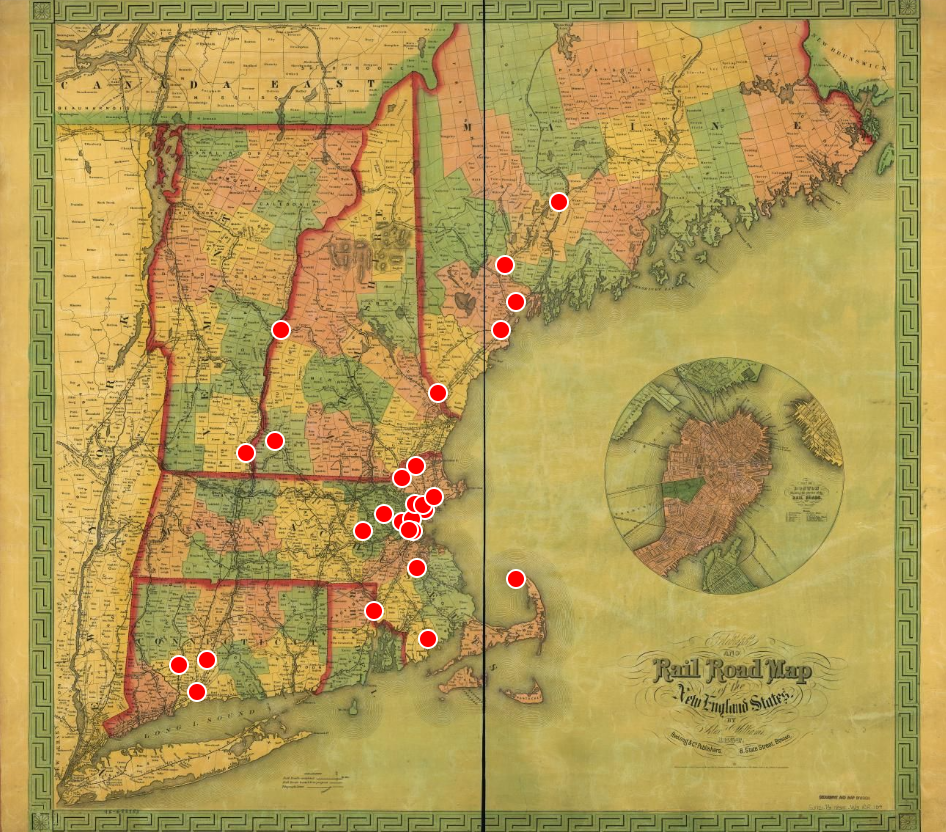
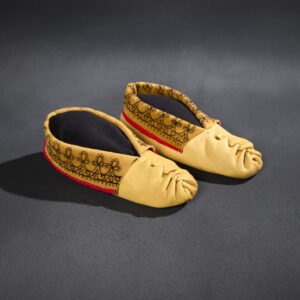
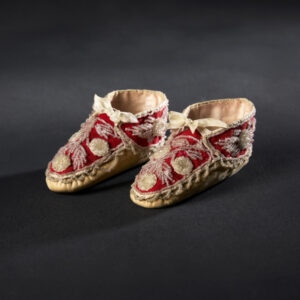
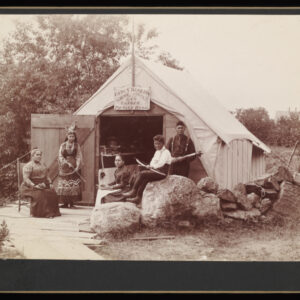
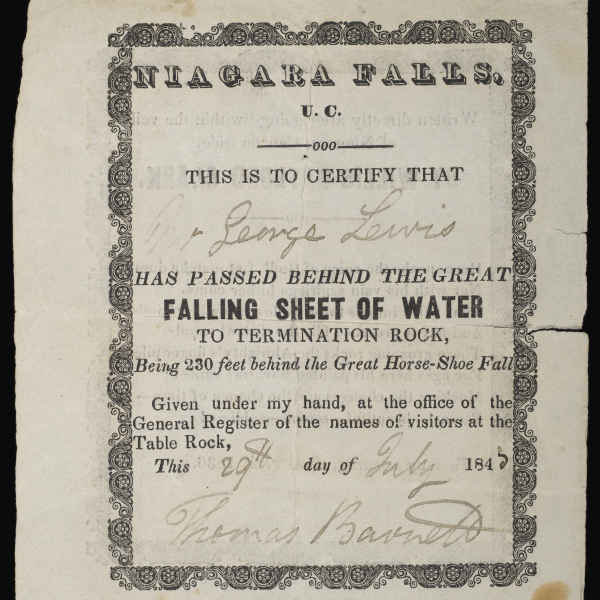
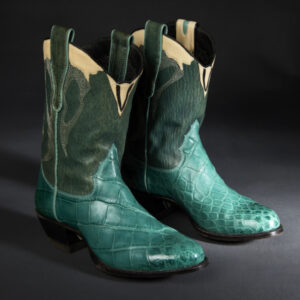
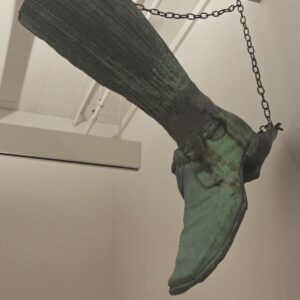
Shoe Stories includes shoes, advertisements, and photographs from all over New England. Click on the dots on the map to explore the New England shoe industry through objects.
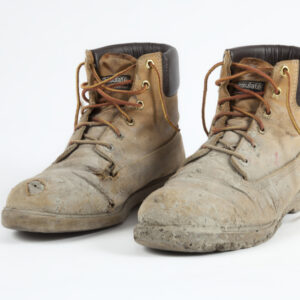
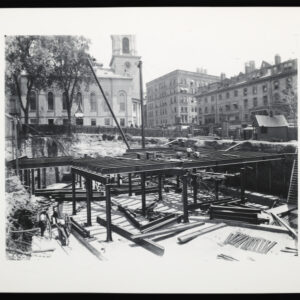
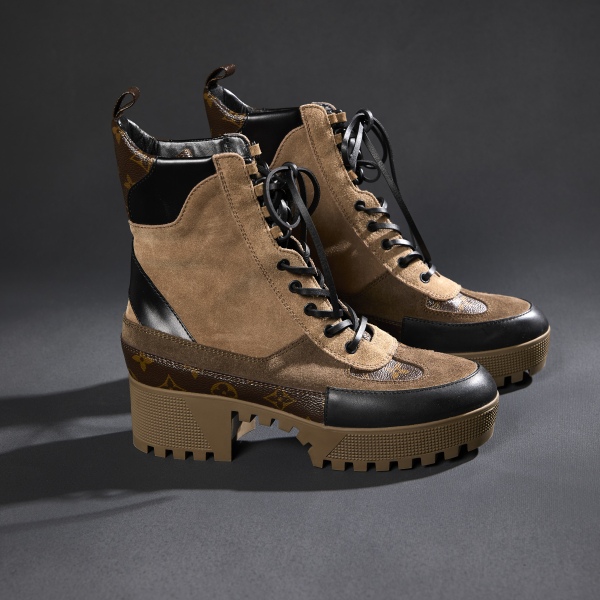
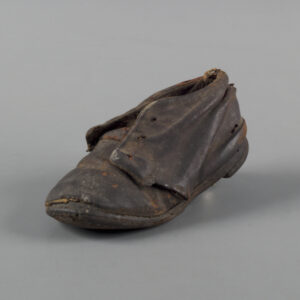
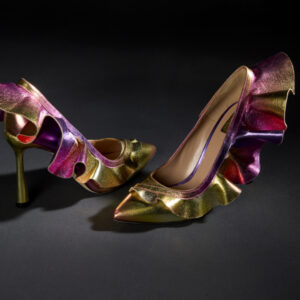
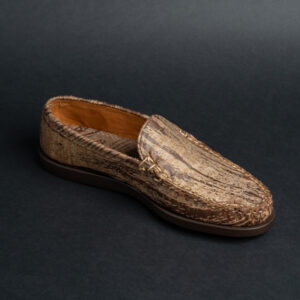
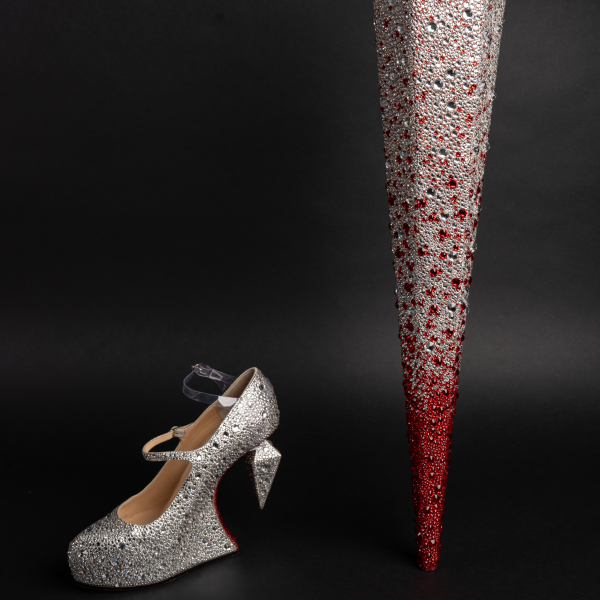
Gallery of Industry Objects



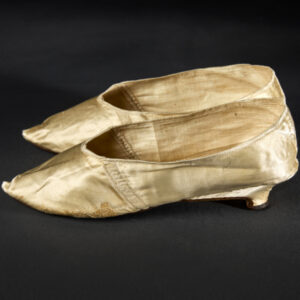
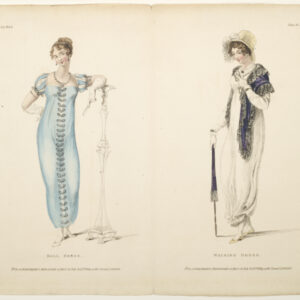
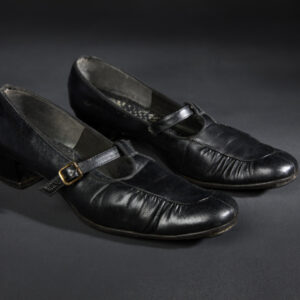
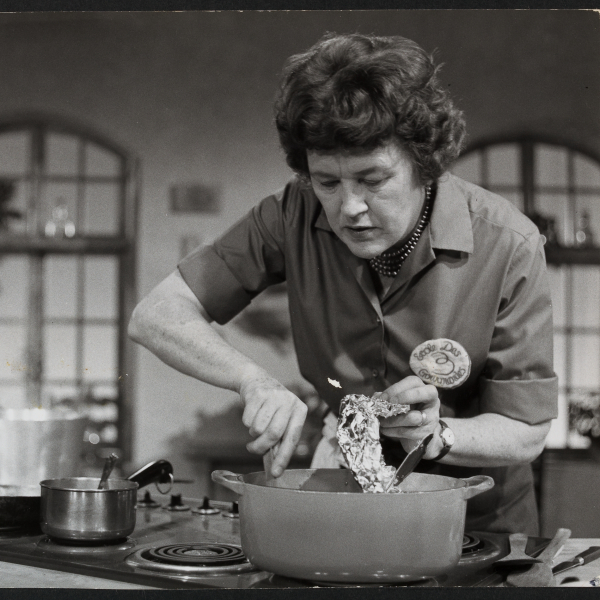
In the Words of Makers
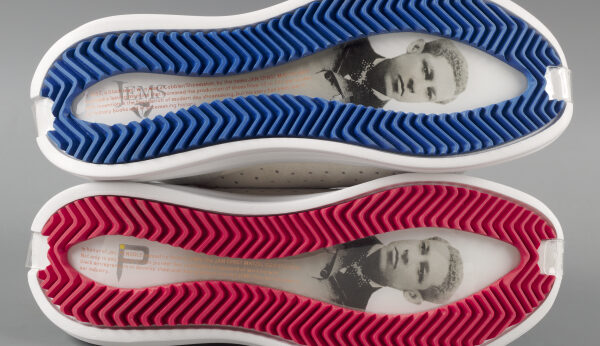
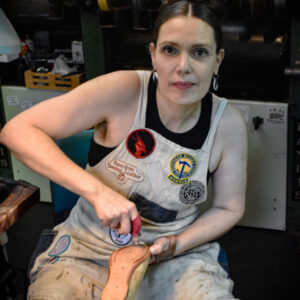
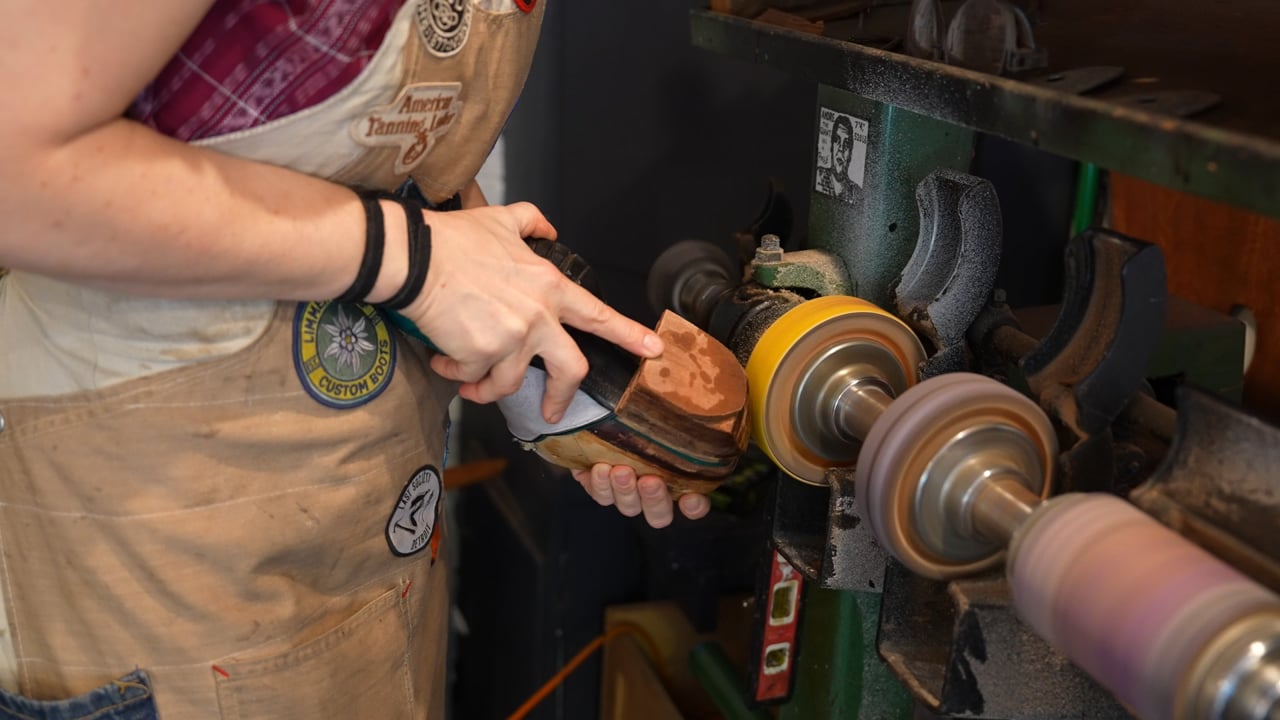
As part of our mission to tell the stories of shoe designers, retailers, workers, and wearers, past, present, and future, Historic New England sat down with nine individuals with ties to New England to create all new video oral histories. View two of these interviews here, or visit the Oral Histories theme to browse all of the interviews.


The Impact of Rubber
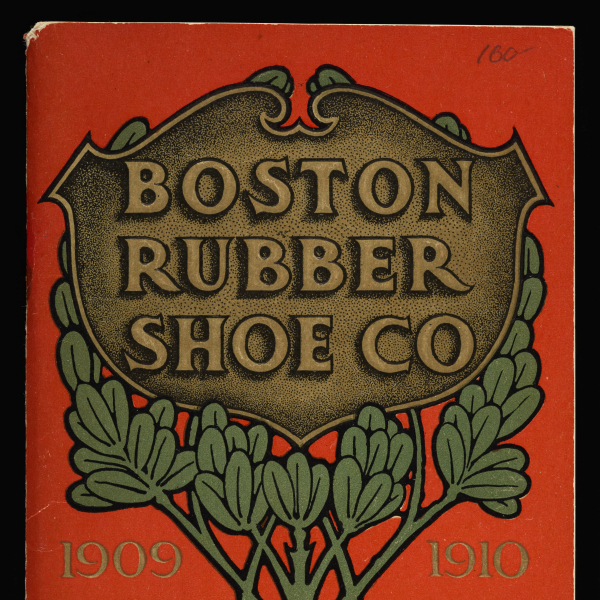
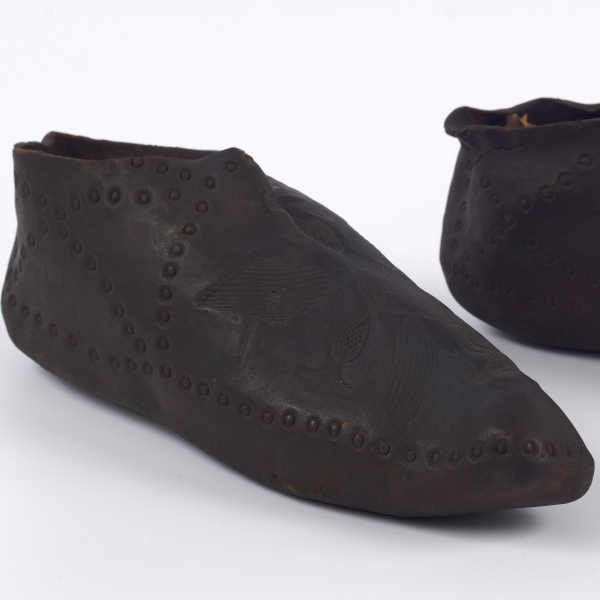
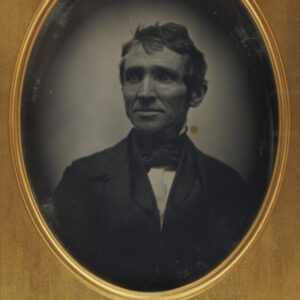
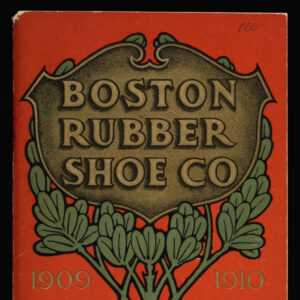
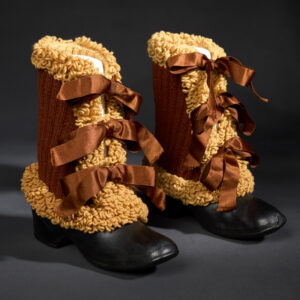
Rubber is one of the most important materials used in the history of footwear. Many New Englanders first experienced natural rubber footwear in the early 1800s. By this time, Indigenous people from the Amazon River Basin created foot coverings from the tree by-product, plain or adorned with stamped motifs, shipping tens of thousands of pairs of natural rubber shoes across the globe. Inspired by this profitable enterprise, inventors and scientist experimented with the material in the hope of creating new type of rubber that surpassed the natural product in durability, elasticity, and would be less sensitive to the frigid New England winters and sweltering summers. In Connecticut in 1839, Charles Goodyear unlocked the secret to this new type of Vulcanized Rubber, named after the Roman god of the forge, Goodyear discovered that adding sulfur and heat to the material produced the desired effects.
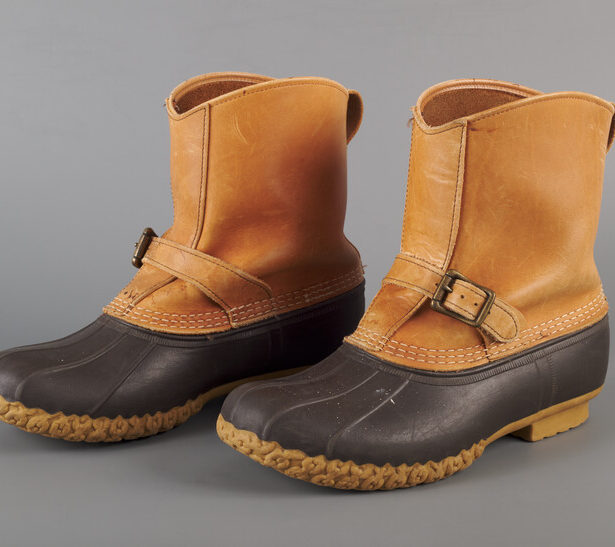
From there, the material evolved. It became a New England footwear staple with the rubber overshoe, a black rubber shoe with little to no structure that was worn over your everyday shoes to keep your feet dry. Rubber also became a major component of the L. L. Bean boot, first designed in 1912 as the Maine hunting shoe. The design, perfectly adapted for our region’s changeable weather, has been in constant production for more than one hundred years, and is a nationally recognized New England style icon. At the same time, companies like Converse and New Balance began, eventually using rubber to help catalyze the sneaker industry—which now is a globally recognized American fashion staple.
Gallery of Rubber Objects
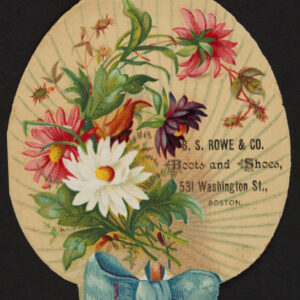
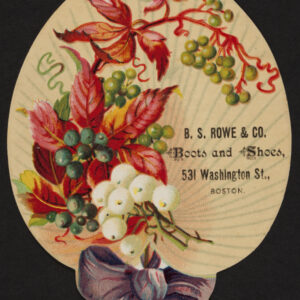
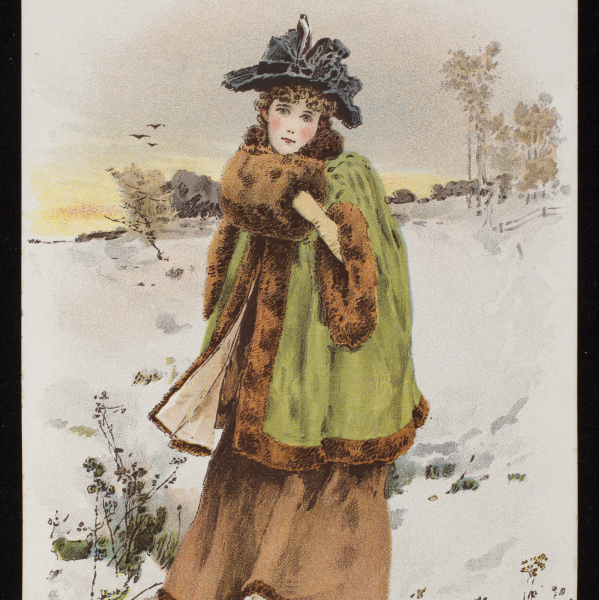
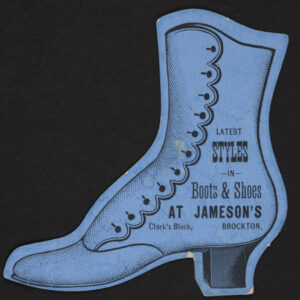
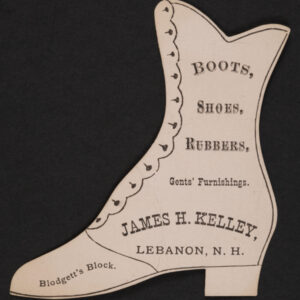
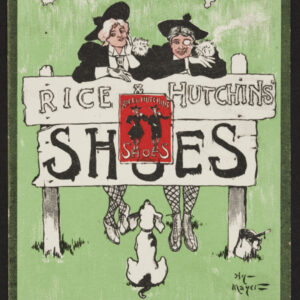
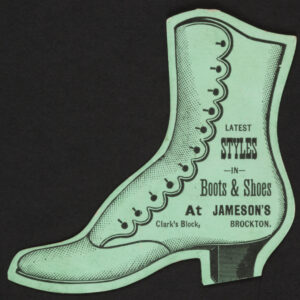
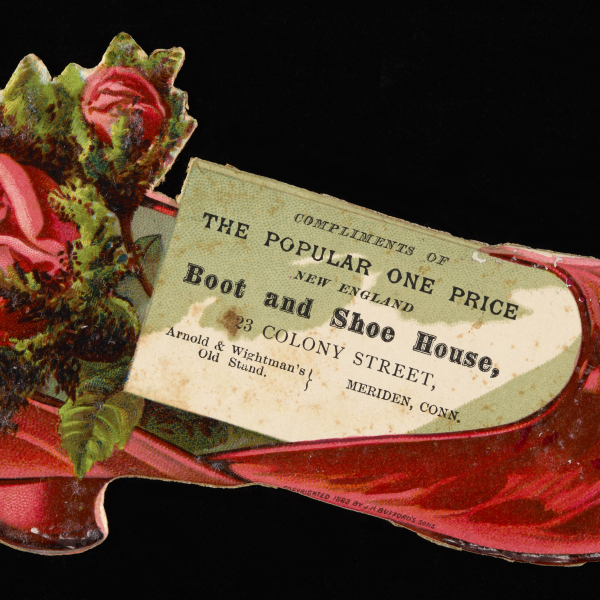
Gallery of Trade Cards
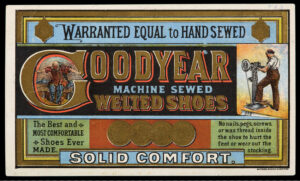
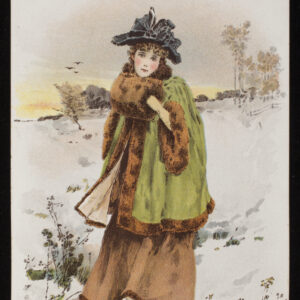
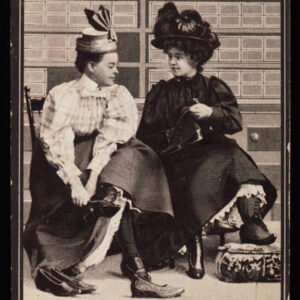
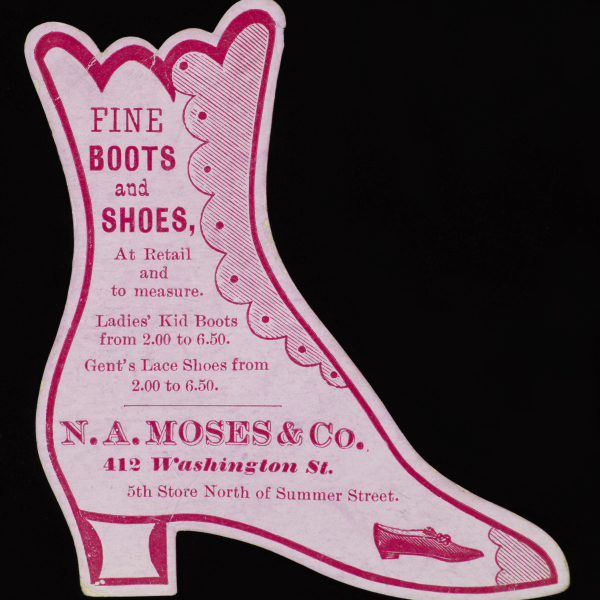
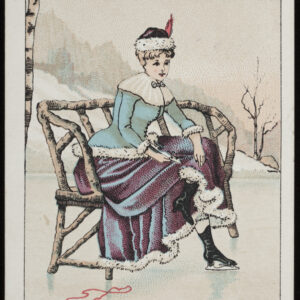
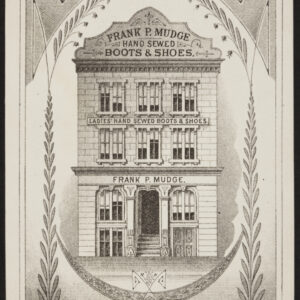
Footwear inspired the innovative and artful materials used to sell shoes throughout the nineteenth and twentieth centuries. Works of art in their own right, these trade cards capture the appeal of the colorful, and often whimsical, methods of promoting New England shoemakers and retailers.
Conserving Shoes
Shoes are made to be worn and used, but what happens when a shoe becomes a museum object that must be preserved? The Conservation team at Historic New England works to stabilize, clean, support, and preserve all of our collections. Shoes present a unique challenge due to being made out of many different materials that often degrade at different rates, and generally relying on being worn with a foot inside to maintain their shape.
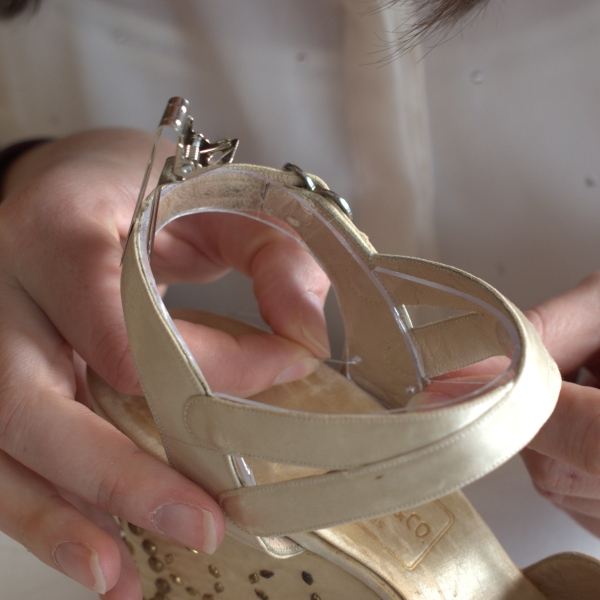
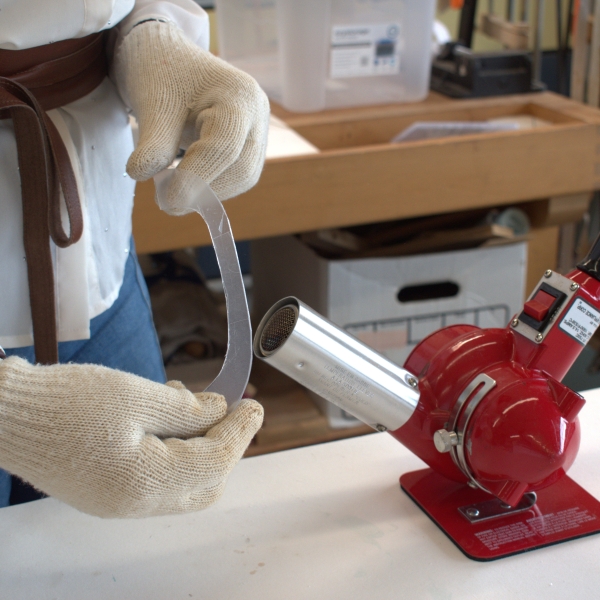
Without internal support, thin strapping on shoes often becomes deformed over time. By adding internal support, small deformations can often be corrected but the support must not obscure or distract from the shoe while on display. Vivak is a transparent thermoplastic sheet that can be cut to any shape while flat and then bent into 3D forms when heated.
The straps of many of the heels in Shoe Stories were supported with Vivak, a transparent thermoplastic sheet that could be used to make custom mounts in the lab.
First, an outline of the strap was traced onto paper, which was then laid flat as a pattern to transfer the approximate shape and size of the strap onto the Vivak.
The shape was then cut out of the Vivak sheet with scissors. Its width is compared to the strap and the necessary sizing adjustments are made while it is still flat. The Vivak is much harder to cut once it is bent!
A heat gun is then used to warm the Vivak and the support is shaped to match the strap. Heat resistant gloves protect the hands of the conservator during this step. The desired form must be held while the Vivak cools back to room temperature. Once cool, the Vivak is once again stiff and holds its shape.
The support is then tested in the shoe and re-reshaped with the heat gun until the perfect fit is achieved. Hair clips can help hold the Vivak during these tests.
Once the support is correctly shaped, it is carefully tied to the shoe to ensure the Vivak remains flush against the strap and stays in place during the course of the exhibition.
For the ankle strap on this particular heel, two pieces of Vivak were needed. The second piece, which supports the front of the strap, is held in place by the small amount of tension created when the strapping is fully expanded, as it would be around an ankle.